I have offically recognized these churches as those who have influenced my own personal interpretation of Christianity (In a pseudoformal approximation of their influence):
Assyrian Church of the East, Oriental Orthodoxy, Anglican-Catholic Church, Moravianism, Schwartzenhau Breathren, Eastern Orthodoxy, Lutheren (ELCA), Episcopal Church of the USA, Catholicism, Presbyterianism, Mar Thoma Syrian Theology, a little bit of Swedenborgianism, and unfortunetly, Latter-Day Saint Theology.
I. What I believe about Jesus, God, and the Holy Spirit
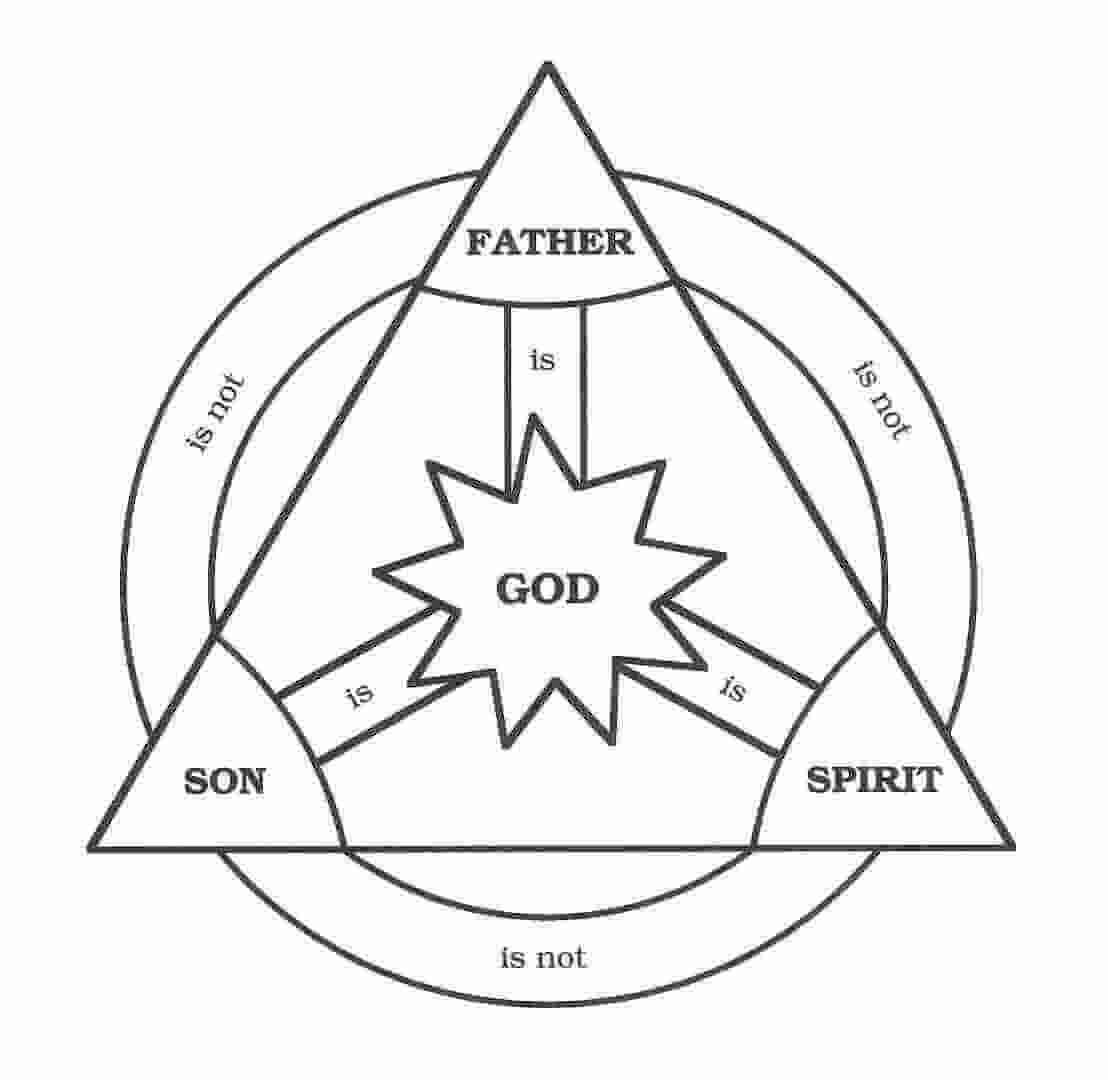
I believe that there are two different reasonable possibilities as to the nature of God. I believe that God may be Trinitarian, (In that there is ONE God, and three personheads, The Father, the Son, and the Holy Spirit.) or Binitarian (In that there is ONE God, and two personheads, The Father and The Son, and that the Holy Spirit is the manifestation of God, or the method of communication with the world---which is through the Holy Spirit, and is not God itself) And I believe that those two are the more likely options. I do not personally believe in Unitarianism, and this is because Jesus Christ calls himself the "Son of God" which I believe is correctly interpreted as God incarnate, and is physically God himself. I believe that it may be possible for both, though I at some points, I am more inclined to be Binitarian, and at other points more inclined to be Trinitarian, and therefore I have not a conclusive stance, though I am confident that it is one of these two. Another form that I could see being a possiblity, though not likely, is Sabellianism (God the Father is the God of the Old Testiment, God the Son is the God that was present in the time of Jesus and a little bit after, and the Holy Ghost is the God that is present today) However, I do not consider this apart of my own personal Theology, because this isn't stated anywhere in the Bible, and I think that this is something that is forsight, rather than theology.
II. What I believe about Christ, and his Nature
I believe that Jesus Christ is God (as stated above in my belief about the trinity) and that he is both divine and human. However, I believe that Christ has one singular nature that is composed of full divinity and full humanity. This is called, Miaphysitism - and is opposed to the idea that Christ has two natures, one fully human and one fully divine, that are united in hypostasis; that is called "Diophysitism". I believe this because I believe that Diophysitism has the problem of creating division between the natures: Jesus was not only divine, nor only human; however, it becomes difficult to keep that in mind when pre-hypostasis it is seperate. And while it might seem illogical to believe that you can be fully divine and fully human at the same time, I believe that there are infinite abouts of divinity and infinite amounts of humanity; each of which can accomidate each other in an infinite set. All of these factors are equal, but because of the nature of infinity, can accomidate each other equally.
III. What I believe about the Bible, Manuscripts, and Translations
I believe that the Bible is the complete word of God, but God should be taken as a story-teller. The main thing is the disagreement over the Apocraphaphic/Deuterocanonical books, though this also applies to other books included in other traditions. For example, the Ethiopian/Eritrean "full" canon which is composed of 81 books. Which compared to the Protestant bible, which contains 66, is a great deal more information. I believe that it is impossible to know what books are canonical and which ones are not without proof of some divine inspiration: and therefore I believe that it is important to read the Apocrapha along with the other books, however, I believe that these should be read with a little bit more skepticism compared to the "Composed" 66 book canon, generally, if something is said that disagrees with another book, you should favor the one that is considered canon by more people. (For example, you should put the Book of Mark over Macabees) However, I believe that the Deuterocanon is equal to the Protestant Bible, and that they should be considered the Word of God. I also believe that any bible translation is fine, if you're reading non-apocrapha I believe that everything from the NASB/ESV, to the NLT/MSG translations can be used. I do not believe that the KJV is any better a translation compared to any other, and personally I prefer NASB as it contains a more literal translation, better notes, and is more accurate to the Koine Greek. I actually translated the first few sections of the Book of Mathew up to the Story of Young Jesus in the Temple, and NASB matched up with my personal translation a lot more than the KJV.